

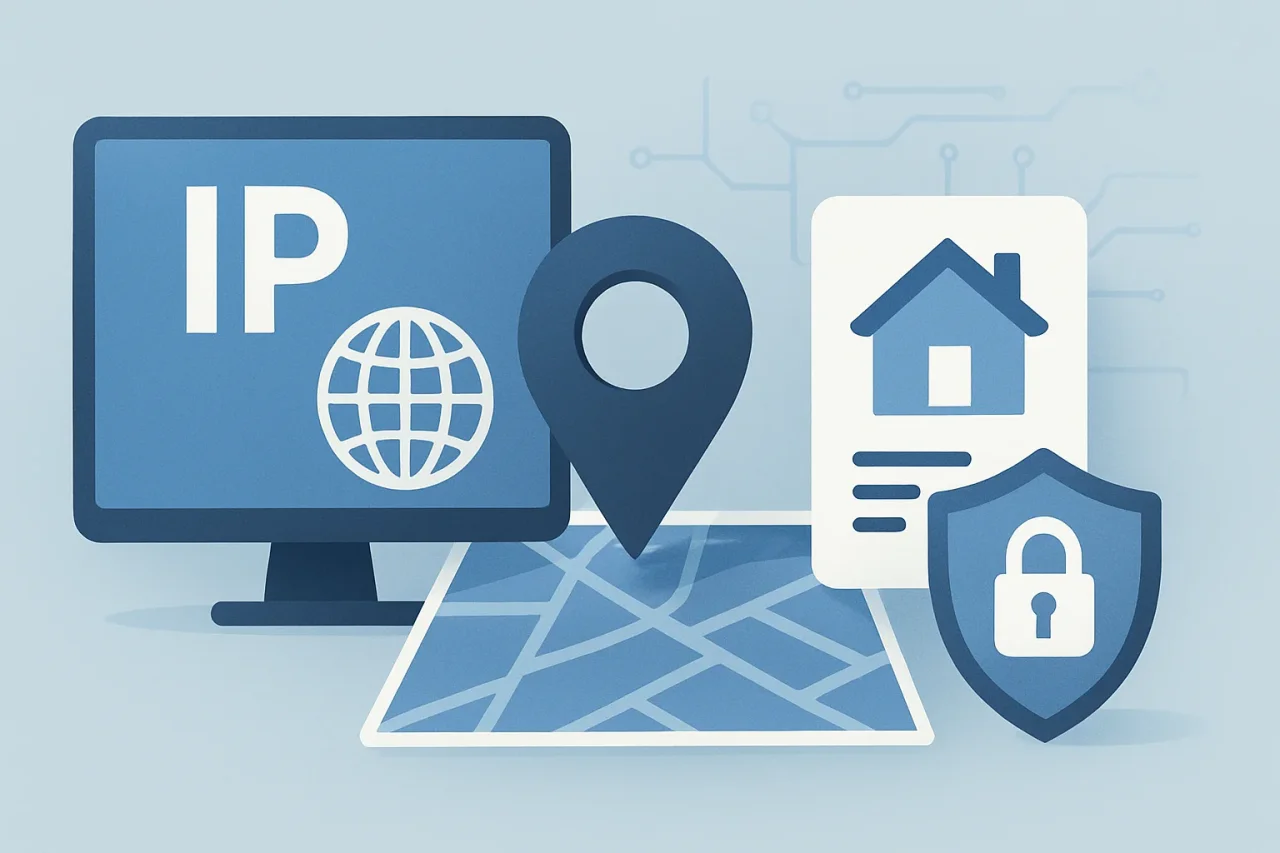
How Rotating Residential Proxies Work
Rotating residential proxies are a type of proxy service that assigns a new IP address from a pool of residential IPs for each request or after a certain time period. This process helps users maintain anonymity while browsing the internet. The IP addresses are sourced from real residential devices, which makes them less likely to be flagged or blocked by websites compared to data center proxies.
When a user connects to a rotating residential proxy, their requests are routed through these residential IPs. The proxy provider manages the rotation of IPs, ensuring that users can access the internet with varying identities. This is particularly useful for tasks like web scraping, where repeated requests from the same IP can lead to bans or CAPTCHAs.
Sticky vs Rotating Proxy Sessions
There are two main types of proxy sessions: sticky and rotating. Sticky sessions maintain the same IP address for a specified duration, allowing users to conduct multiple requests without changing their identity. This is beneficial for activities that require session persistence, such as logging into accounts or completing forms.
In contrast, rotating sessions change the IP address frequently, which is ideal for tasks requiring anonymity and reduced risk of detection. Users may choose between these options based on their specific needs. For example, if a user is conducting market research that involves logging into multiple accounts, a sticky session might be preferable. However, for web scraping large amounts of data, rotating sessions can provide better anonymity.
Residential Proxies vs Mobile Proxies
Both residential and mobile proxies serve to mask a user’s IP address, but they differ in their sources and use cases. Residential proxies use IP addresses assigned to physical homes, while mobile proxies utilize IPs from mobile devices connected to cellular networks.
Mobile proxies can be particularly useful for tasks that require a mobile user agent, such as app testing or mobile ad verification. They offer a higher level of anonymity due to the dynamic nature of mobile IPs, which are less likely to be associated with a specific user or device. Residential proxies, on the other hand, are often used for web scraping, SEO monitoring, and general browsing where a stable IP is needed.
HTTP vs SOCKS5 Proxies
When choosing a proxy, users often encounter two main types: HTTP and SOCKS5. HTTP proxies are designed specifically for web traffic, making them ideal for browsing and scraping web pages. They support standard web protocols and can handle both HTTP and HTTPS requests.
SOCKS5 proxies, however, are more versatile. They can handle any type of traffic, including email and P2P connections. This makes them suitable for a wider range of applications beyond web browsing. While HTTP proxies may be sufficient for simple tasks, SOCKS5 proxies offer greater flexibility for users who need to manage different types of traffic.
How Residential Proxy Bandwidth Works
Residential proxy bandwidth refers to the amount of data that can be transferred through the proxy service over a specific period. Many providers, including those offering residential proxies, operate on bandwidth-based plans. Users pay for the amount of data they consume rather than a flat monthly fee.
This model is beneficial for users who need to control costs while managing their data usage effectively. For example, if a user is scraping data from multiple websites, they can monitor their bandwidth consumption and adjust their usage accordingly. Providers typically offer various bandwidth tiers to accommodate different user needs, allowing for scalability as projects grow.
What Are ISP Proxies?
ISP proxies are a hybrid between residential and data center proxies. They are provided by Internet Service Providers (ISPs) and offer the reliability of residential IPs with the speed of data center connections. These proxies are often used for tasks requiring a high level of trust, such as ad verification or accessing geo-restricted content.
ISP proxies can be particularly valuable for users who need a stable and fast connection without sacrificing anonymity. They provide an excellent option for businesses that require consistent access to online services while minimizing the risk of being blocked or flagged.
Residential Proxy API Explained
A residential proxy API allows developers to integrate proxy services into their applications seamlessly. This API provides programmatic access to proxy features, enabling users to automate tasks such as web scraping, data collection, and account management.
With a residential proxy API, users can easily rotate IPs, manage sessions, and monitor bandwidth usage through simple code commands. This level of integration is essential for businesses that rely on automated processes to gather data or conduct analyses efficiently.
Choosing a Residential Proxy Provider
Selecting the right residential proxy provider involves several considerations:
- IP Pool Size: A larger pool of IPs can reduce the chances of blocks and CAPTCHAs.
- Geographic Coverage: Ensure the provider has IPs in the regions relevant to your needs.
- Session Options: Look for providers that offer both sticky and rotating sessions to suit different tasks.
- API Access: If you plan to automate tasks, check for robust API support.
- Customer Support: Reliable support can be crucial when issues arise.
Researching customer reviews and comparing features across providers can help in making an informed choice.
How Sticky Proxy Sessions Work
Sticky proxy sessions maintain the same IP address for a defined period, allowing users to perform multiple requests without changing their IP. This is particularly useful for activities like logging into accounts or completing transactions where session continuity is essential.
Sticky sessions can last from a few minutes to several hours, depending on the provider’s policies. Users can benefit from this feature by reducing the risk of being flagged as suspicious due to frequent IP changes, which is common with rotating sessions.
Residential Proxy Networks Explained
Residential proxy networks consist of a vast number of IP addresses sourced from real residential users. When you loved this article and you would want to receive more details about pinkproxies network please visit our web page. These networks are designed to provide users with a reliable and anonymous browsing experience. When a user connects to a residential proxy network, their requests are routed through various IPs, making it difficult for websites to identify the true source of the traffic.
The effectiveness of a residential proxy network lies in its ability to mimic genuine user behavior. This capability is crucial for tasks like web scraping, where maintaining anonymity is essential for avoiding detection and ensuring data integrity. Providers typically offer coverage across 150+ countries, allowing users to access content from various regions without restrictions.
In summary, understanding how residential proxies work, their differences, and the various session types can help users make informed decisions about their proxy needs. Whether for data collection, SEO monitoring, or general privacy, choosing the right proxy solution can significantly enhance online activities.